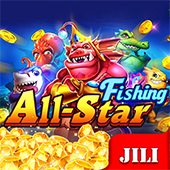


What All Star Fishing Delivers in a Session
All Star Fishing is best understood as a target-selection fishing experience rather than a passive spin. The player watches the play area, identifies a catch, selects an appropriate shot, and observes the result. That direct loop is the reason All Star Fishing feels readable to beginners while still leaving room for better timing.
In an All Star Fishing Demo session, the useful goal is not to chase a result. It is to notice how targets move, how the interface confirms a shot, and how a changing scene affects attention. All Star Fishing makes those observations visible instead of burying them behind complicated menus.
All Star Fishing begins with a clear target
A sensible first look at All Star Fishing is the target field. Check which objects are near the firing line, which ones move predictably, and which ones would require a rushed adjustment. This simple scan turns All Star Fishing from a reaction test into a deliberate decision exercise.
The All Star Fishing Demo is useful here because it lets a learner repeat the opening scan without treating every attempt as a commitment. Players comparing All Star Fishing with other fishing titles can use the same questions: Is the target easy to read? Does the shot response feel immediate? Can the player pause and reassess?
All Star Fishing keeps the feedback loop visible
Each All Star Fishing action should produce feedback that can be read at a glance. Look for the selected target, the shot indicator, the result message, and any balance or session information. In the All Star Fishing Demo, these cues teach the interface language that matters before a player explores more advanced options.
That clarity also makes All Star Fishing suitable for short mobile sessions. A player can set a small time window, review the outcome, and stop without losing the thread. The official 222jl All Star Fishing page follows the same learning-first approach: understand the screen, choose a pace, and keep decisions intentional.